

Some cities are visited.
Others are experienced.
London belongs to the second category.
Beyond its monuments and museums, London is a city built on layers of history, tradition, eccentric customs, and linguistic quirks that fascinate visitors and locals alike. It is a place where Roman walls stand beside glass skyscrapers, where royal ceremonies coexist with punk subcultures, and where three simple words on a train platform became a global cultural symbol: Mind the gap.
For English learners, London is more than a destination. It is a living classroom. Every street sign, every pub conversation, every announcement on the Underground carries authentic language, cultural references, and real-world communication patterns.
At Speak Translate Solutions, we believe that language learning accelerates when curiosity is activated. Fun cultural facts are not trivia; they are gateways into vocabulary, idioms, pronunciation, pragmatics, and intercultural understanding.
Let’s explore some of London’s most fascinating cultural details — and discover why they make English learning more engaging, memorable, and effective.
If you have ever taken the London Underground, you have heard the phrase:
“Mind the gap.”
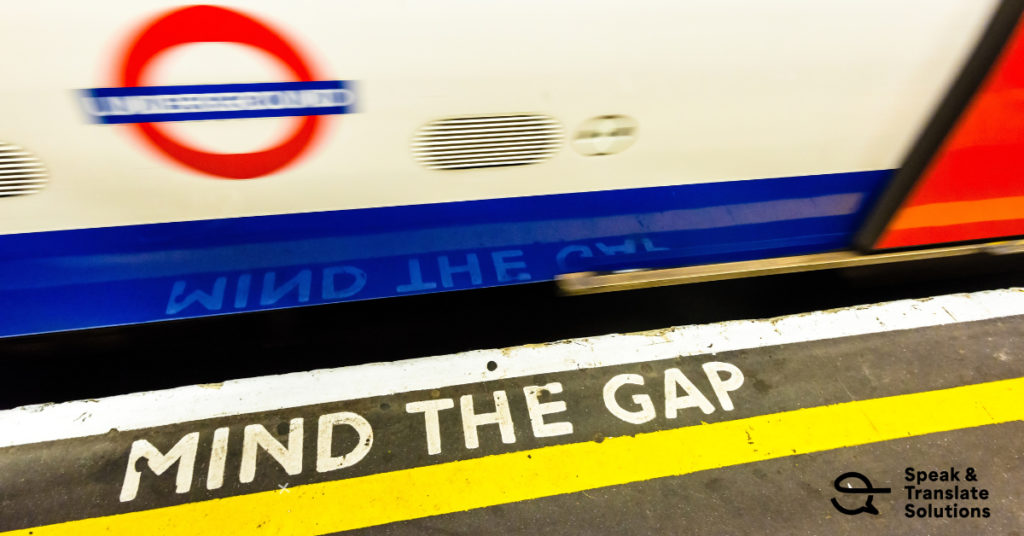
Few cities are associated with a phrase as strongly as London is with “Mind the gap.” Introduced in 1968 as a safety announcement on the Underground, the message was originally nothing more than a practical warning about the space between platform and train. Over the decades, it grew beyond its function. The phrase now appears on station floors, posters, souvenirs, clothing, and social media captions around the world.
It is short, direct, unmistakably British, and inseparable from the rhythm of daily commuting. Many visitors photograph it instinctively, as if collecting a piece of London itself.
What began as an ordinary instruction quietly became part of the city’s identity.
Outside Buckingham Palace, the King’s Guards stand immobile in red tunics and towering black bearskin hats. Their presence feels timeless, yet the tradition began in the 18th century after British soldiers defeated Napoleon’s Imperial Guard. The bearskin hats were adopted to make soldiers appear taller and more intimidating in battle. Today, they serve no tactical purpose, yet remain central to royal ceremony.
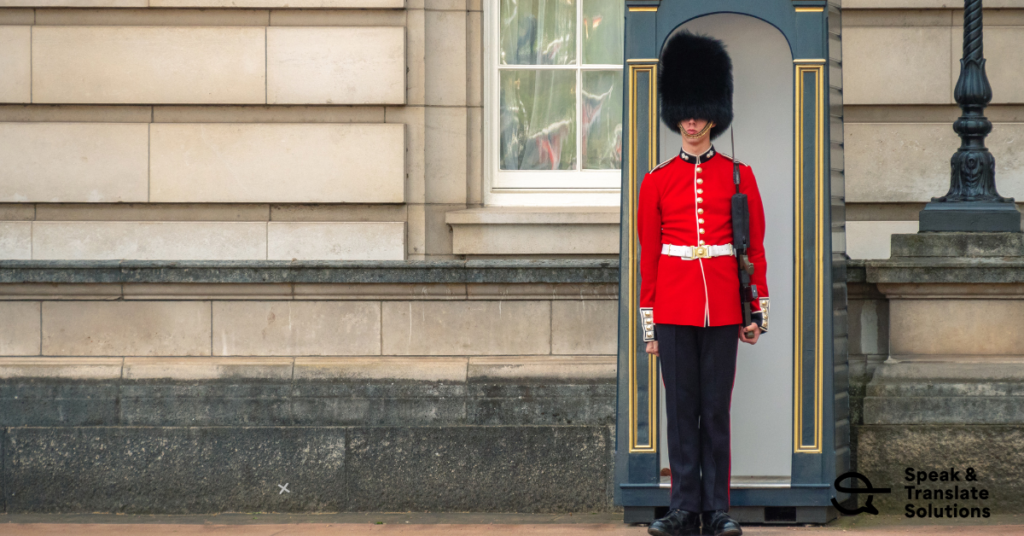
Each hat is handcrafted, heavy, and meticulously maintained. Each uniform is precise to the last detail. The guards’ silence, posture, and stillness are part of the performance — a ritual watched by thousands every day.
It is history preserved not in museums, but in motionless human form.
London’s Underground is more than public transport. It is a piece of engineering history. The first line opened in 1863, running steam-powered trains beneath the streets. Over time, tunnels multiplied, stations expanded, and electricity replaced steam. What emerged was the first metro system in the world — a model later copied by every major city.
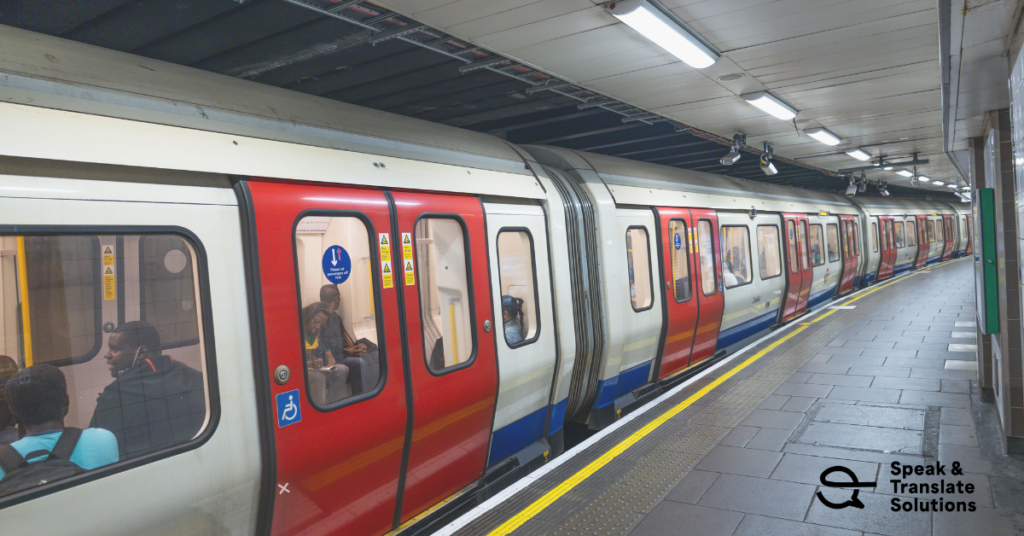
Londoners call it the Tube, a nickname as familiar as the city itself. The famous diagrammatic map, designed in 1933, turned complex geography into elegant simplicity and became an icon of modern design.
To move through London is to travel through a living museum of urban innovation.
The red telephone box once symbolized modern communication. Designed in the 1920s, it stood on nearly every British street corner. As mobile phones made them obsolete, most disappeared — but not in London.
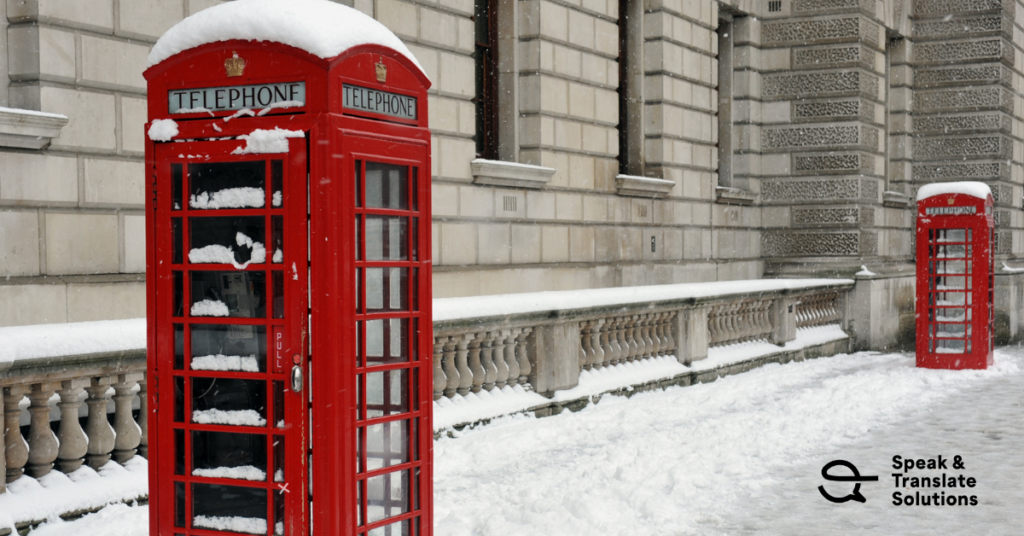
Many have been preserved and reinvented. Some house tiny libraries. Others contain defibrillators. A few provide Wi-Fi access. They stand bright against grey pavement, relics given new purpose.
In a city obsessed with progress, nostalgia still earns its place.
Most visitors point to the clock tower and call it Big Ben. In reality, Big Ben is the massive bell inside the tower, cast in 1858 and weighing over 13 tons. The tower itself is officially named Elizabeth Tower, renamed in 2012 to honor Queen Elizabeth II’s Diamond Jubilee. The famous chimes have marked London’s rhythm for over a century and survived bombings during World War II.
Few landmarks are as familiar — or as frequently misnamed.
British pub culture is central to London’s social life. Traditionally, pubs closed at 11 p.m., a rule introduced during World War I to limit alcohol consumption among factory workers. Although modern licensing laws are more flexible, early closing remains part of the pub-going rhythm: after-work gatherings, casual meetings, and neighborhood rituals.
In London, business conversations often begin over a pint.
By an ancient law dating back to the 12th century, all unmarked mute swans on the River Thames belong to the Crown. Each summer, a ceremony called Swan Upping takes place, during which royal officials travel along the river to count and mark the birds. What started as a medieval ownership claim is now a conservation tradition.

It is an example of how medieval customs quietly persist in modern life.
Many London street names are echoes of the city’s medieval economy. Bread Street, Milk Street, and Pudding Lane were once locations of food markets and bakeries. Pudding Lane, famously, was also the starting point of the Great Fire of London in 1666. Today, these names remain embedded in daily navigation.
London’s map doubles as a historical document.
To drive a traditional black cab in London, candidates must pass The Knowledge — a famously demanding test requiring memorization of over 25,000 streets and landmarks.
Training can take up to four years.
This reflects British respect for mastery, expertise, and professionalism — values that resonate strongly in corporate environments.
Legend claims that if the ravens ever leave the Tower of London, the monarchy will fall. For this reason, ravens have been kept at the Tower for centuries, cared for by a dedicated Ravenmaster. Their wings are slightly trimmed to prevent them from flying away. Whether myth or superstition, the tradition endures.
Some stories are too powerful to abandon.
London is a city that never fully reveals itself at first glance. Its character lives in details easily missed: a phrase on a platform edge, a bird in a fortress courtyard, a street name echoing a forgotten trade. These fragments of tradition and history give the city its depth, turning everyday scenes into stories. To walk through London is to move through time, language, and ritual all at once. And for those willing to pay attention, the city offers an endless supply of quiet surprises.
London reveals itself to those who pay attention — to a phrase on a platform, a tradition on a palace gate, a story written into a street name. Communication works in much the same way. When we understand the nuances of a language, we navigate international environments with greater ease and confidence.
At Speak Translate Solutions, we help professionals and companies strengthen their English for real-world interaction — from meetings and presentations to negotiations and global collaboration.
If you are ready to communicate with clarity in international settings, let’s begin.
📩 info@speaktranslatesolutions.com
Thanks for reading!
—Agostina Guerrero
Business English Teacher and Translator